Zero Visible Damage, Huge Hidden Losses: The Secret Carbon Footprint of Ordinary Industrial Valves
Every factory manager focuses on equipment energy consumption, pipeline efficiency, and green production indicators. However, there is a little-known industrial hidden danger that almost no one monitors: micro-leakage and high-resistance industrial valves that quietly generate massive carbon emissions every single day.
Most people believe valve failures only occur when pipes burst or valves completely break down. In fact, invisible valve energy waste has become one of the most overlooked carbon sources in modern fluid systems, according to global industrial energy-saving data.
Why "Intact Valves" Are Secret Carbon Emitters
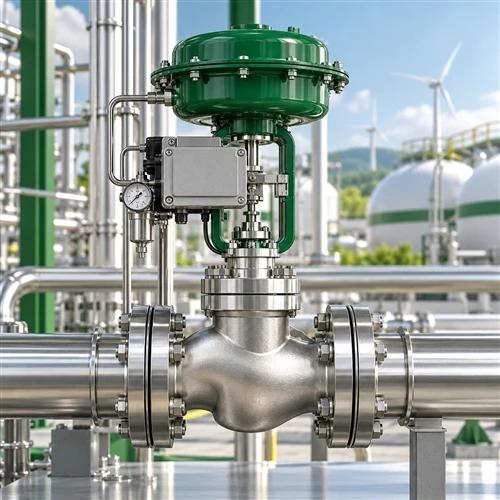
A brand-new, normally operating ball valve, butterfly valve or gate valve may look fully functional. But tiny sealing gaps, outdated internal flow structures, and minor stem friction can cause two invisible losses.
First, continuous micro-leakage. Even Class IV sealed valves produce trace gas and liquid leakage under long-term high pressure. For steam, natural gas, and chemical pipelines, 24/7 invisible leakage accumulates into huge resource waste and uncounted carbon emissions.
Second, extra pump energy consumption. Traditional valves with rough internal channels and high flow resistance force supporting pumps to maintain higher power output. The extra electricity consumed throughout the year far exceeds the energy cost of replacing high-efficiency valves.
Industry Cold Knowledge: Valve Structure Determines Carbon Footprint
Few buyers know that valve structural design directly affects industrial carbon reduction effects.
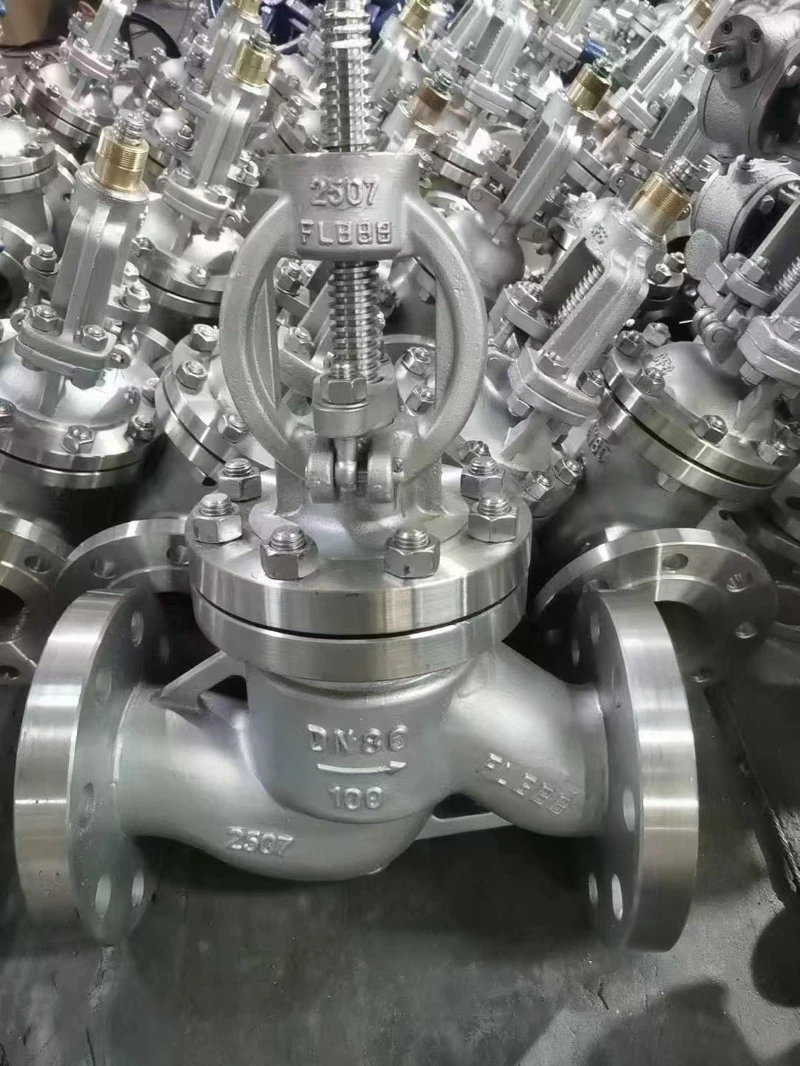
Traditional globe valves and old-type gate valves create severe turbulent flow and high resistance. In contrast, streamlined high-performance ball valves and butterfly valves provide straight-through flow paths, greatly reducing fluid resistance and cutting system energy consumption by 12%–20% annually.
Moreover, inferior valves with poor anti-wear performance age rapidly. Frequent replacement, maintenance, and pipeline shutdowns indirectly generate massive carbon costs from repeated production, transportation, and construction.
The Rising Trend: Low-Emission Valves Become New Industrial Standard
With global carbon neutrality policies becoming stricter, industrial valve standards have quietly upgraded. Modern low-emission industrial valves and fugitive emission certified valves are no longer optional accessories but essential configurations for export factories and high-standard projects.
Advanced sealing technology eliminates micro-leakage, while optimized fluid structures reduce operating energy consumption. For chemical, power, water treatment, and oil & gas enterprises, upgrading energy-saving valves is one of the most cost-effective carbon reduction methods with zero transformation difficulty and long-term steady benefits.
Final Insight: Small Valves Control Big Carbon Profits
Industrial carbon reduction is not only about large equipment upgrades but also lies in every tiny pipeline component. Ordinary valves seem insignificant, but their long-term invisible waste determines the enterprise's energy cost and carbon emission level.
In the future, high-efficiency, low-resistance, zero-leakage industrial valves will completely replace backward high-carbon products, becoming the core subtle force for global industrial green upgrading.