The Hidden Issue of Valve Cavitation: How Tiny Bubbles Destroy Industrial Pipelines Silently
Most plant operators keep a close eye on valve leakage, corrosion and pressure readings. But one destructive phenomenon remains widely underrated: valve cavitation. It is not a mechanical crack, nor chemical rust. It is damage caused by billions of microscopic bubbles that form and collapse inside valves.
Cavitation happens when liquid flows through a restricted valve opening. The local pressure drops below the liquid's vapor pressure, forming countless tiny vapor bubbles. When these bubbles move to a high-pressure zone downstream, they implode violently in microseconds. Each collapse releases strong shockwaves and micro-jets. Over time, these repeated impacts slowly erode valve trim, seat and pipeline walls.
Many engineers mistakenly attribute cavitation damage to normal wear or water hammer. The signs are easy to misjudge: unusual rattling noise, pitted metal surfaces, gradual flow capacity loss and unexpected vibration. If left untreated, cavitation can shorten valve service life drastically, trigger unplanned shutdowns and raise maintenance costs.
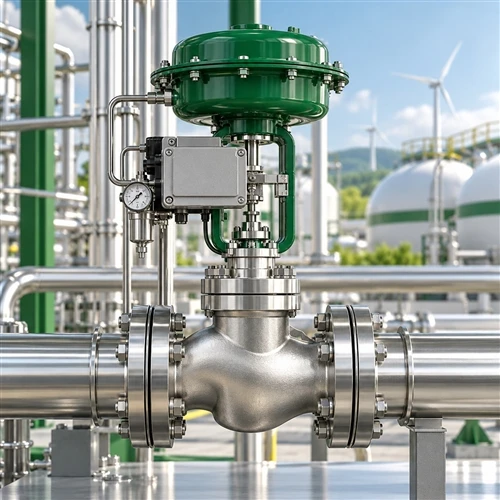
Not all valves face the same cavitation risk. Butterfly valves, globe valves and ball valves used in high-pressure drop water, chemical and oil pipelines are the most vulnerable. Modern anti-cavitation valve designs adopt multi-stage pressure reduction structures. These designs split one large pressure drop into several small steps, preventing pressure from falling to vaporization point and stopping bubble generation fundamentally.
Understanding cavitation helps factories select proper valves, optimize pipeline layout and cut long-term operating expenses. This overlooked fluid phenomenon proves that the biggest threat to fluid control systems often cannot be seen with naked eyes.