If you visit different factories or pipeline projects, you'll notice something pretty common - ball valves are everywhere. From water treatment systems to chemical plants and oil pipelines, the Ball Valve is still one of the first choices for flow control equipment.
A big reason is simple: they're practical. The structure is not overly complicated, operators are already familiar with them, and they usually perform well even after years of use. In many factories, maintenance teams actually prefer equipment that's easy to operate and doesn't constantly need adjustment, and ball valves fit that requirement quite well.
One thing engineers often mention is the quick opening and closing action. Since the valve only needs a 90-degree turn, it saves time during operation. In emergency shut-off situations, that fast response can make a real difference. Compared with some older valve types, operators can usually tell immediately whether the valve is fully open or fully closed just by looking at the handle position.
For heavy industrial conditions, many companies now use Forged Steel Ball Valve products because the body strength is more reliable under high pressure and high temperature environments. In steam systems or chemical pipelines, durability matters a lot more than appearance. Once a valve starts leaking in those conditions, maintenance costs can become much higher than the valve itself.
Sealing performance is another thing buyers pay close attention to. A good Floating Ball Valve should maintain stable shut-off performance after thousands of operating cycles. In actual factory use, this is more important than laboratory specifications on paper. Some users prefer soft seats for better sealing, while others choose metal seats for applications involving abrasive media or higher temperatures.
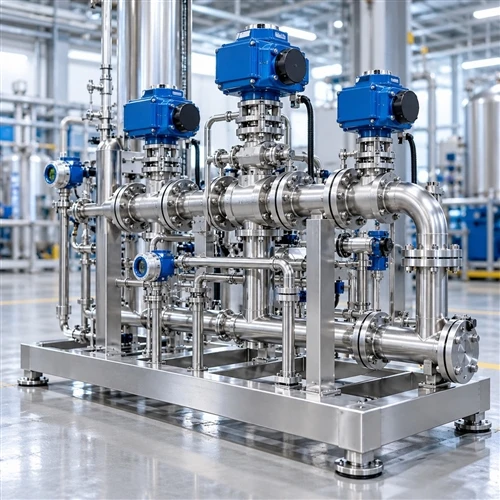
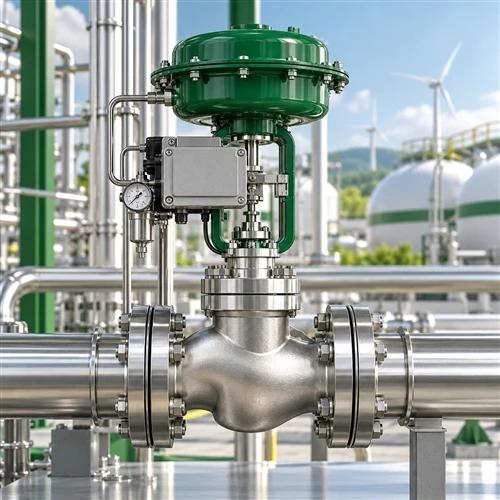
You'll also see a lot of Flanged Ball Valve installations in larger pipeline systems because they're easier to assemble and remove during maintenance work. In recent years, more factories have started pairing these valves with pneumatic or electric actuators so operators can control them remotely from the control room instead of manually checking every pipeline section.
Material selection has also become a bigger topic than before. In coastal areas or chemical processing plants, Stainless Steel Ball Valve products are widely used because corrosion resistance directly affects service life. Some project managers say paying slightly more at the beginning often saves a lot of repair trouble later on.
From the manufacturing side, most experienced buyers care less about marketing language and more about actual production details - machining accuracy, pressure testing, sealing inspection, and material traceability. These are the things that really affect how the valve performs after installation.
Even though ball valves are considered a mature product in the valve industry, demand is still growing steadily. Industrial systems are becoming more automated, safety standards are getting stricter, and end users want equipment that can run longer with fewer problems. That's probably why ball valves continue to hold such an important position in modern pipeline systems.