The Dual Purpose of Small Holes in Manhole Covers
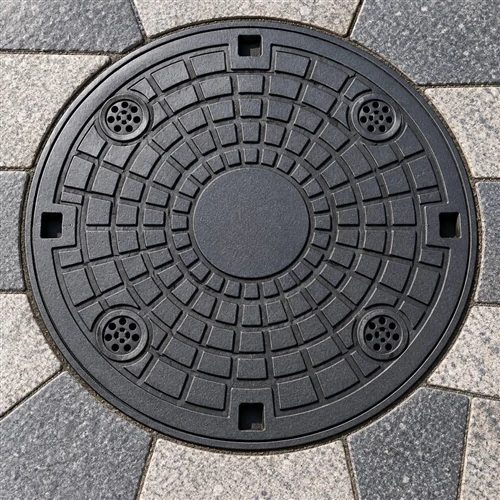
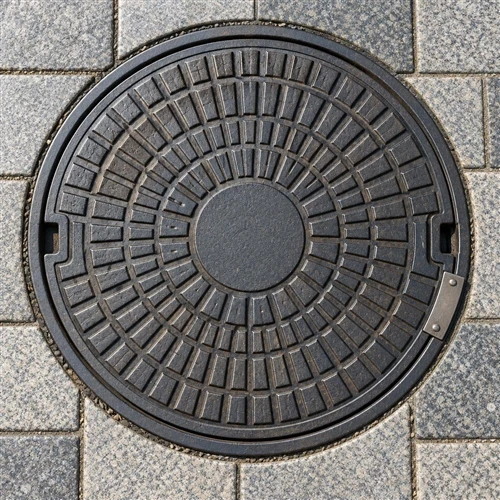
The holes in rainwater and sewage manhole covers aren't just there randomly! These small holes, approximately 1 centimeter in diameter, serve two purposes:
- Drainage Channel: During heavy rain, they allow surface water to quickly drain, preventing road flooding.
- Pressure Balance: They prevent the accumulation of biogas in the pipes, reducing the risk of the manhole cover being lifted by gas pressure.
Interestingly, the holes are usually arranged radially, ensuring efficient drainage without compromising the load-bearing capacity of the manhole cover.
The Perfect Match of Material and Holes
Modern manhole covers are mostly made of ductile cast iron, a material with three natural advantages:
- Balanced Strength and Toughness: Even with the holes, it can still withstand weights exceeding 10 tons.
- Corrosion Resistance: The edges of the holes are specially treated to prevent rusting.
- Self-Cleaning Design: Water flow washes away sediment accumulated in the holes.
A closer look reveals that the holes in sewage manhole covers are slightly smaller than those in rainwater manhole covers, to prevent debris from clogging the pipes.
Hidden Safety Features
These small holes also serve as important safety devices:
- Anti-Slip Texture: The raised and recessed structures on the edges of the holes increase friction.
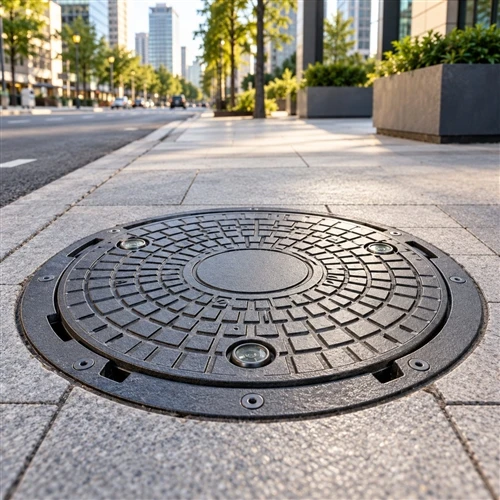
- Emergency Marking: Reflective materials create warning patterns through the holes at night.
- Thermal Expansion and Contraction: They provide space for the metal material to deform, preventing cracking in winter.