Tiny Manhole Covers Carry Urban Elegance: Matsumoto's Temari Art Manhole Covers Go Viral, Turning Municipal Infrastructure Into Cultural Check-In Spots
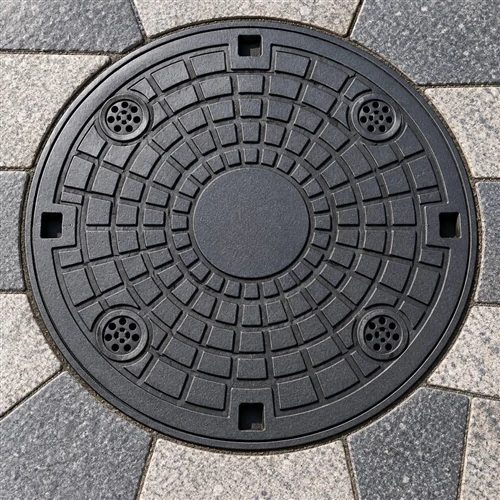
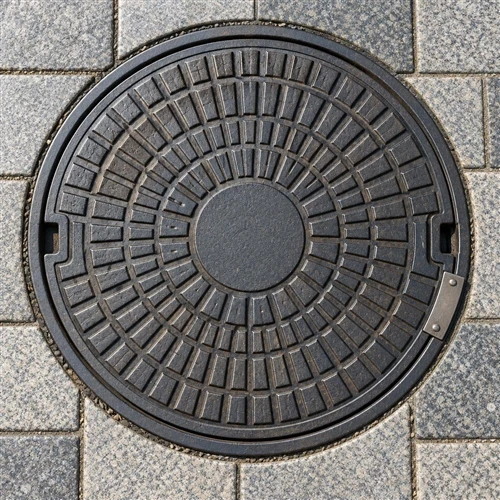
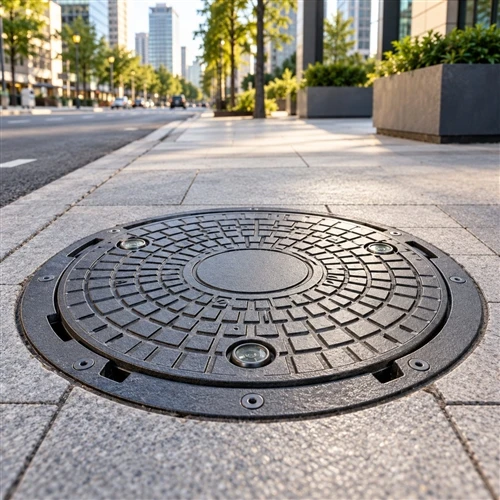
Recently, a vibrantly painted artistic manhole cover on the streets of Matsumoto, Nagano Prefecture, has sparked heated buzz across social media. Once overlooked cast iron municipal drainage covers have been reimagined with patterns inspired by local traditional temari handballs, seamlessly blending functional public infrastructure with folk art aesthetics. These ground-level artworks have become a must-see photo spot for tourists visiting Matsumoto Castle, offering a fresh blueprint for developing micro urban cultural tourism.
This viral manhole cover is laid along key sightseeing streets in central Matsumoto. The characters "Matsumoto" are clearly printed on the upper edge of the cover, marking its hometown at a glance. Its design centers on temari, a folk craft with a centuries-long history in the region. Layered, blooming temari floral motifs are arranged across the surface, with striking color clashes of pink, sapphire blue, ivory and bright yellow paired with symmetrical geometric petal lines. The delicate lines balance the subtle grace of classic Japanese patterns with vivid, eye-catching vibrancy, letting pedestrians stumble upon hidden artistic charm simply by glancing down at the stone pavement.
According to the municipal design team behind the project, Matsumoto boasts two iconic cultural symbols: the historic Matsumoto Castle and the age-old temari craft. It is also the hometown of iconic artist Yayoi Kusama, nurturing a deep-rooted artistic atmosphere throughout the city. The artistic manhole cover renovation initiative was conceived to break the stereotype of dull, industrial-looking utility covers. By embedding indigenous folk culture into walkways frequented daily by locals and visitors alike, the city brings its cultural heritage out of museums and scenic spots, weaving it into the everyday fabric of urban streets.
Craftsmanship-wise, these artistic manhole covers balance durability and visual appeal. Their bodies are cast from high-strength ductile iron, fully meeting municipal standards for load-bearing, drainage and anti-slip performance. The surface is coated with special weather-resistant colored glaze that resists abrasion, rain, snow and harsh temperature shifts, locking in the bright patterns for years of outdoor use.
Beyond beautification, the small art installations have delivered remarkable tourism results. Many travel bloggers and photography enthusiasts travel to Matsumoto specifically to hunt for all styles of temari manhole covers, posting photos online and fueling free organic promotion for the city's cultural tourism. Local souvenir shops have even launched mini replicas of the patterned manhole covers as specialty gifts, creating a new industrial chain built on this unique urban design.
City officials shared that Matsumoto will keep expanding the art manhole project, rolling out new designs featuring more local cultural elements. The government aims to turn every street corner into an open-air art gallery, letting subtle, down-to-earth cultural touches deepen visitors' impressions of the ancient city and carry forward precious traditional crafts.