Industrial Check Valve Demand Continues to Grow Across Global Pipeline Projects
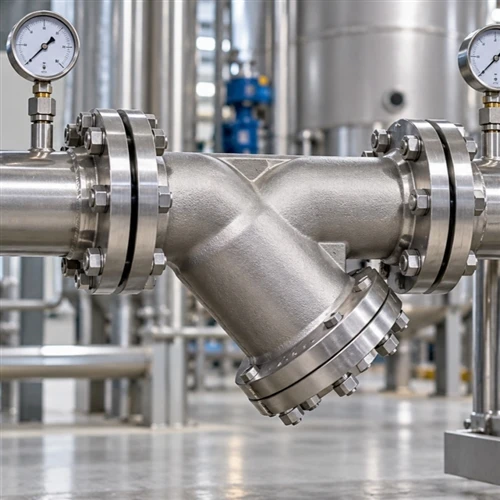
As industrial infrastructure projects continue expanding worldwide, the demand for reliable flow control equipment has remained strong. Among the essential components used in modern pipeline systems, the Industrial Check Valve continues to play a critical role in protecting equipment, improving operational safety, and maintaining stable fluid control across a wide range of industries.
In recent years, industries such as oil & gas, water treatment, chemical processing, marine engineering, and power generation have shown increasing interest in durable and low-maintenance valve solutions. Compared with more complex flow control devices, Industrial Check Valves are valued for their practical structure and dependable automatic operation. By preventing reverse flow inside pipelines, these valves help reduce the risk of pump damage, pressure instability, and system downtime.
Manufacturers across the valve sector are also responding to stricter project standards and changing customer expectations. Modern Industrial Check Valve production now places greater emphasis on pressure resistance, corrosion protection, sealing performance, and longer service life. Materials such as stainless steel, carbon steel, forged steel, and ductile iron are widely used depending on the application environment and operating conditions.
According to several industry suppliers, one noticeable trend is the growing demand for valves capable of handling harsher operating environments. High-temperature steam systems, chemical transportation pipelines, and offshore projects require stronger body structures and more reliable sealing technology than before. As a result, API-standard and ANSI-standard Industrial Check Valves have become increasingly common in international procurement projects.
Another important development is the focus on production consistency and quality management. Many valve manufacturers are investing in CNC machining equipment, pressure testing systems, and stricter inspection procedures to improve dimensional accuracy and product reliability. Certifications such as ISO and CE continue to influence purchasing decisions, especially for export-oriented engineering projects.
Industry professionals also point out that maintenance efficiency is becoming a key consideration for end users. In large-scale industrial facilities, operators prefer valve products that are easier to install, inspect, and replace during scheduled shutdowns. Swing check valves, lift check valves, and dual plate check valves remain among the most widely selected designs due to their straightforward operation and stable performance.
With global infrastructure investment expected to remain active in the coming years, market analysts believe Industrial Check Valve demand will continue growing steadily. Although valve technology may not always attract public attention, these components remain fundamental to the safe and efficient operation of modern industrial systems.
For manufacturers, the challenge is no longer simply producing valves in large quantities. The market is increasingly rewarding companies capable of delivering consistent quality, technical reliability, and long-term performance under demanding industrial conditions.