Manhole Cover Load Class Selection for Safer Infrastructure
Manhole cover load class selection should begin with how and where the asset will be used, not with the heaviest value in a catalogue. A cover in a landscaped pedestrian zone faces a different duty from one at a loading dock, roadway shoulder or frequently trafficked service lane. The frame, chamber support and surrounding pavement also share the load path, so a correctly rated cover can still fail when the installation system is weak. This article explains how buyers and contractors can turn traffic conditions into a practical manhole cover specification and reduce the risk of premature cracking, rocking or unsafe access.
Map the real traffic condition
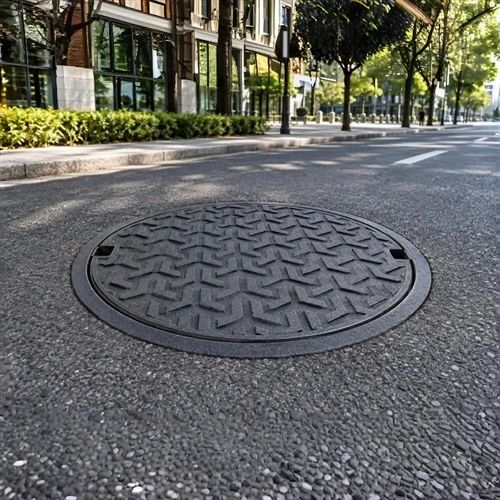
Start by identifying all vehicles that may pass over or stop near the cover during its life. Include maintenance vehicles, delivery trucks, emergency access, construction equipment and temporary diversions rather than describing the location only as pedestrian or roadway. A cover at the edge of a carriageway can experience wheel loads and impact differently from one in the center of a lane. Record the expected traffic pattern and the frequency of heavy access so the selected load class reflects actual service.
Specify cover and frame together
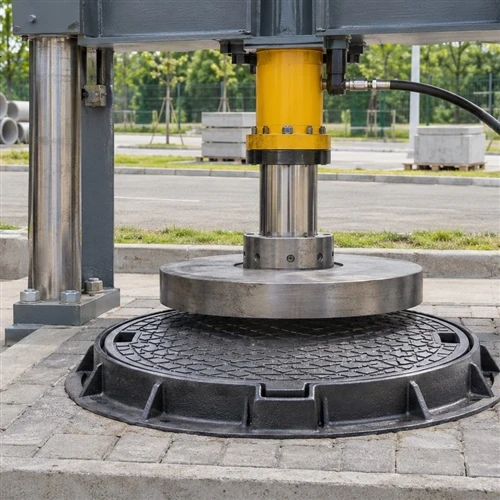
The cover and frame are a matched assembly. Their seating design, clear opening and support geometry influence how load is transferred into the chamber and pavement. Do not compare a cover-only rating with another supplier complete assembly result. Confirm that the specified frame matches the intended load class and that the chamber top can provide stable support. A large clear opening or unusual shape may need additional consideration because stiffness and support behavior vary with geometry.
Check the surrounding construction
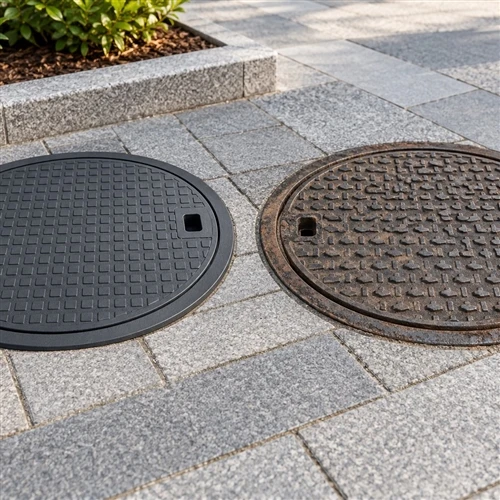
Loads do not disappear after they pass through the cover. They move through the frame bedding, chamber top and adjacent pavement. Poor compaction, incomplete bedding or weak surrounding concrete can create movement that damages even a correctly selected cover. The installation drawing should define the support method, finished level and paving detail. Acceptance should include a check for stable seating and correct level after final surfacing, not only an inspection of the cover before paving begins.
Use standards as a specification tool
A relevant product standard and declared load class give buyers a common basis for comparison, but they do not replace site judgment. State the required standard, test expectation, markings, load class and any project-specific conditions in the purchase request. Ask how the supplier verifies the assembly and what documentation is provided. Clear wording prevents a quotation from being based on a nominal size or visually similar product that has not been evaluated for the intended duty.
Consider access and maintenance needs
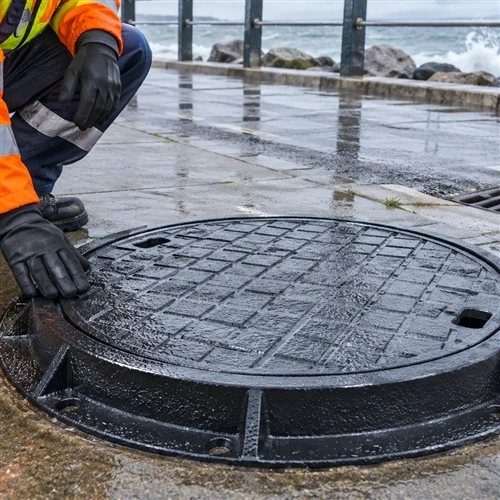
A higher load class is not the only decision. Cover weight, lifting method, locking, hinge arrangement, anti-slip surface and opening frequency all affect practical asset safety. A maintenance team needs a cover that can be opened with appropriate tools without damaging the seating or exposing workers to unnecessary lifting risk. Include the required clear opening and access method in the specification. This prevents a durable cover from becoming difficult to inspect or maintain after installation.
Create a simple selection record
For each location, record traffic type, expected heavy vehicles, selected load class, clear opening, frame type, installation detail and acceptance checks. This supports consistent procurement and makes later replacement easier. When a defect occurs, the record helps distinguish between a load-class issue, installation problem or unplanned site use. A defensible selection process is usually more valuable than choosing a generic high rating without documenting why it was required.