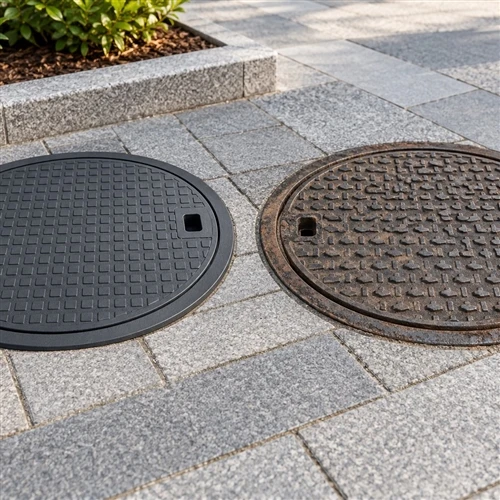
Manhole Cover Corrosion Protection for Coastal and Wet Environments
Corrosion protection for manhole covers is often discussed only after rust staining, seized lifting points or frame deterioration appears on site. In wet, coastal or chemically exposed locations, however, protection should be considered during specification and installation. The cover, frame, fasteners, locking parts and contact surfaces can experience different exposure conditions, while damaged coating or trapped moisture can shorten service life. A durable approach starts with the actual environment and uses a compatible cover system, coating method and maintenance plan. This article explains how project teams can evaluate corrosion protection for ductile iron manhole covers without relying on a generic paint requirement.
Start with the exposure category
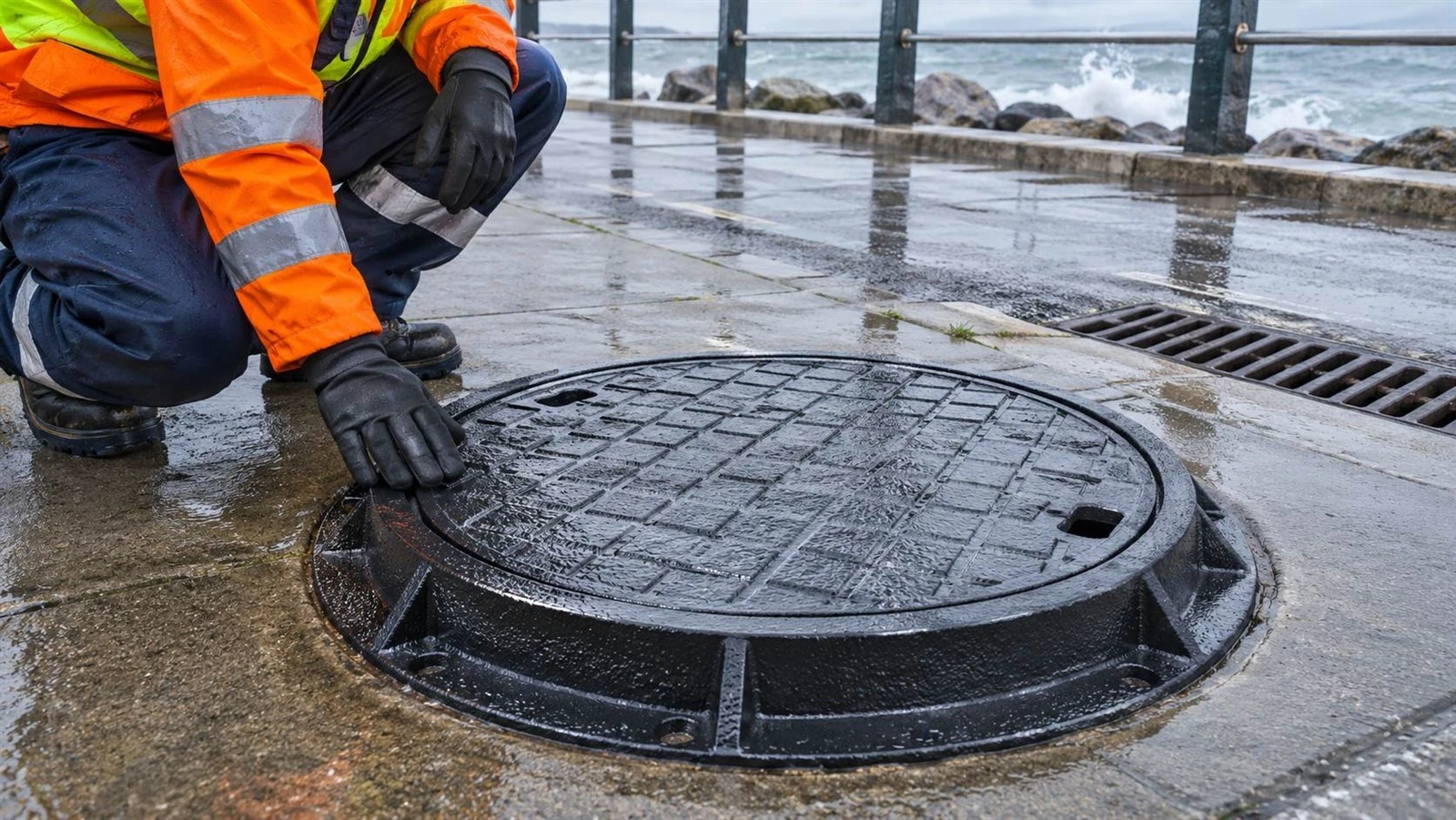
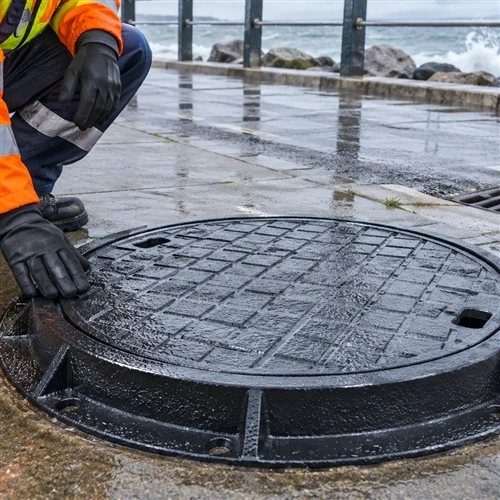
Classify the location before choosing a coating. A coastal promenade, wastewater treatment site, industrial yard and inland road do not create the same salt, moisture, chemical or abrasion exposure. Consider standing water, de-icing salts, tidal spray, cleaning chemicals, soil condition and the likelihood of surface damage during lifting. The surrounding pavement also matters because poor drainage can keep the frame wet long after rainfall. A clear exposure description lets suppliers recommend a system suitable for the service rather than quoting a standard finish with unknown durability.
Specify the complete cover and frame system
Corrosion performance is not only about the lid. The frame, seating interface, hinges, bolts, locks and lifting recesses need equal attention because they can trap moisture or become the first maintenance failure point. Specify the material, coating or treatment for each externally exposed component and identify which surfaces must remain functional after coating. For example, an overly thick finish on a seating surface may interfere with fit, while unprotected lifting points can seize even when the top surface appears sound.
Compare coating systems by function
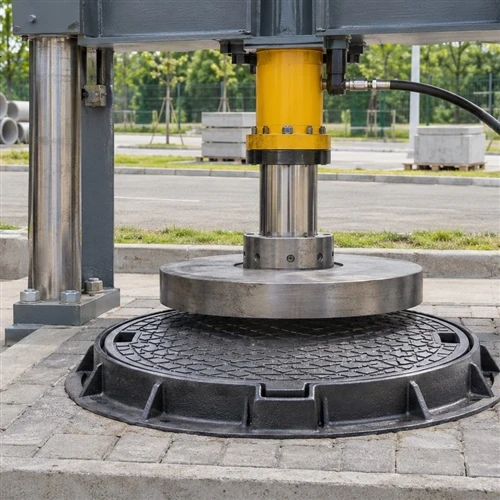
Bituminous coatings, epoxy systems and other protective finishes have different strengths. A basic coating may provide temporary transport and storage protection, while a more robust system may be needed where saltwater, wastewater vapors or aggressive cleaning regimes are expected. Ask how the coating is prepared, applied, cured and checked. Surface preparation has a major influence on adhesion, and a coating specification without preparation requirements is difficult to verify. Request dry-film targets and repair guidance where the project needs a controlled result.
Design drainage and installation to protect the frame
A suitable product can still deteriorate quickly if installation leaves water around the frame or creates a void where wet debris collects. Confirm bedding support, finished level and drainage path before handover. Avoid damaging the coating with uncontrolled cutting, welding or rough lifting tools. If site adjustment is necessary, follow the approved repair method and allow the repair to cure before the chamber is exposed to traffic or water. Installation photos are useful because the most vulnerable support areas are hidden after final surfacing.
Build inspection into asset management
Inspection does not need to be complicated. Record the asset location, exposure type, coating condition, seating performance, lifting function and any corrosion at fasteners or joints. Early attention to chipped areas, blocked drainage and seized hardware can prevent a small issue from becoming a replacement project. For high-risk sites, a planned inspection interval is better than waiting for access failure. The inspection record also helps identify whether the original specification was suitable for the actual environment.
Create a practical procurement specification
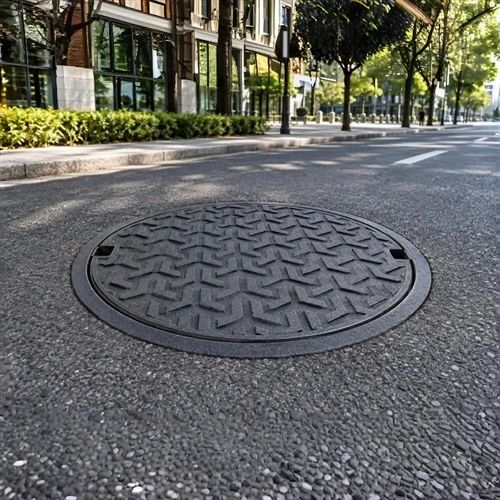
A useful request for quotation states the load class, clear opening, cover and frame material, service environment, required coating system, markings, locking or hinge requirements and inspection documents. Include the expected location such as coastal walkway, pump station or industrial yard. Ask the supplier to identify any limits for the proposed coating and to provide repair recommendations. This makes comparison between quotations more meaningful and gives the contractor a clear basis for acceptance. Good corrosion protection is a system decision that begins with procurement and continues through installation and maintenance.