


Hey there! I'm a supplier of recessed covers, and today I want to dig into a question that often comes up: What is the thickness of a typical recessed cover?
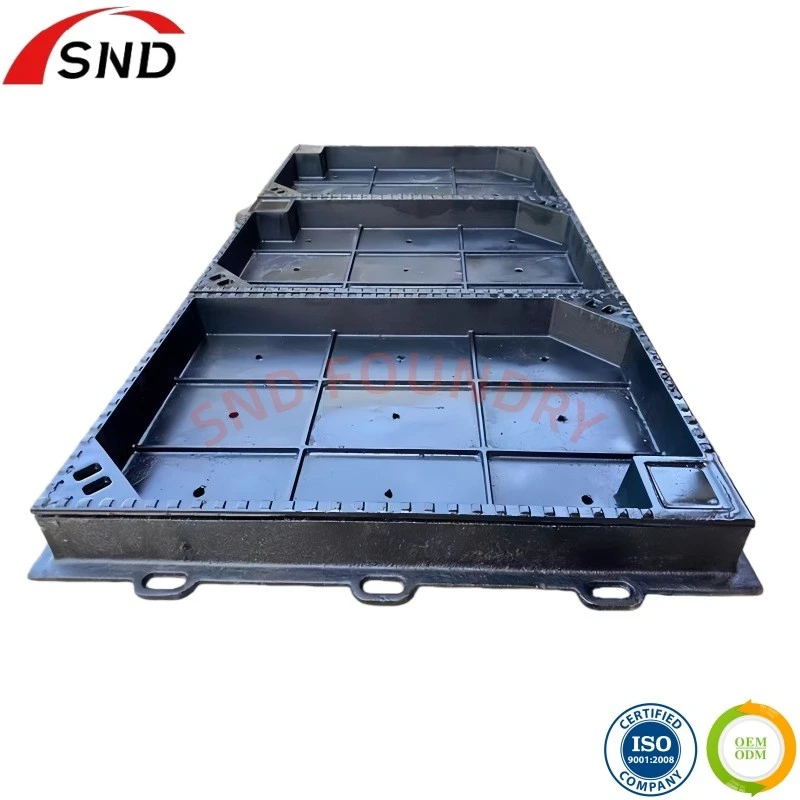
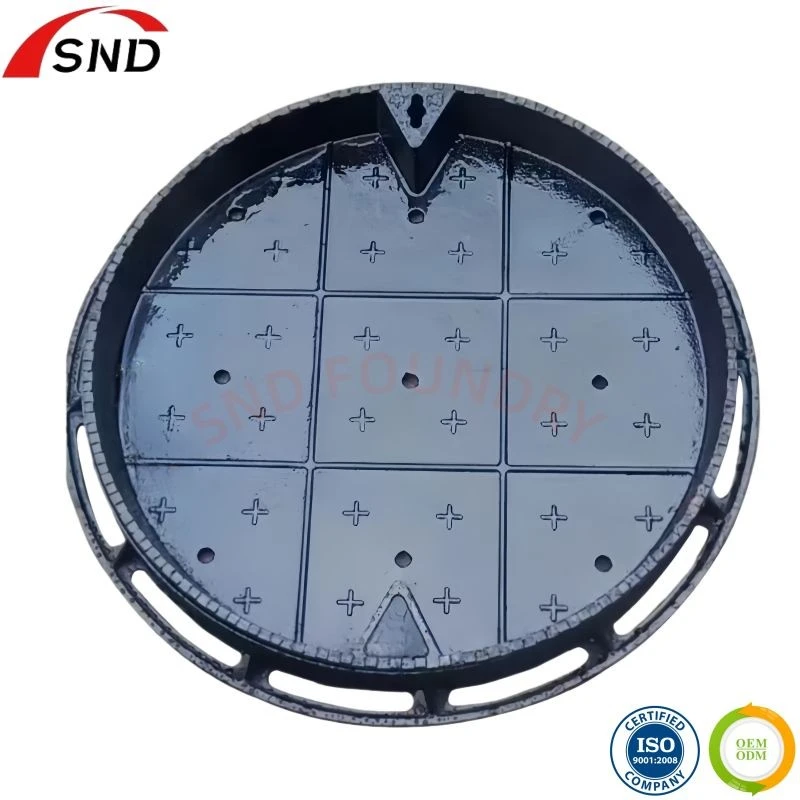
First off, let's understand what a recessed cover is. A recessed cover is designed to fit into a frame that's set into the ground or a surface. It's commonly used in areas like sidewalks, driveways, and industrial settings to cover utility access points, drainage systems, and more.
The thickness of a recessed cover can vary quite a bit depending on several factors. One of the main factors is the material it's made from. There are different materials used for recessed covers, such as ductile iron, concrete, and composite materials.
Ductile Iron Recessed Covers
Ductile iron is a popular choice for recessed covers because of its strength and durability. Ductile iron recessed covers can withstand heavy loads, making them suitable for high - traffic areas. The thickness of a typical ductile iron recessed cover usually ranges from about 25mm to 50mm.
For light - duty applications, like in a residential area where the traffic is mainly pedestrians and occasional light vehicles, a thinner cover around 25mm might be sufficient. These covers are still strong enough to handle normal foot traffic and the weight of small cars.
On the other hand, for heavy - duty applications, such as in industrial areas or busy commercial streets with large trucks and heavy machinery passing over, a thicker cover of around 50mm is often used. The extra thickness provides the necessary strength to prevent cracking or breaking under the heavy loads. If you're interested in Ductile Iron Recessed Covers and Frames, you can check out the link for more details.
Concrete Recessed Covers
Concrete is another material used for recessed covers. Concrete covers are generally less expensive than ductile iron covers, but they are also less strong. The thickness of a concrete recessed cover typically ranges from 50mm to 100mm.
The reason for the greater thickness compared to ductile iron is that concrete is not as strong as ductile iron on a per - unit - thickness basis. So, to achieve the same level of load - bearing capacity, a thicker concrete cover is needed. For example, in a parking lot where there's a moderate amount of vehicle traffic, a 75mm thick concrete recessed cover might be used.
Composite Recessed Covers
Composite materials are becoming more popular for recessed covers. These covers are made from a combination of materials like fiberglass and resin. Composite recessed covers are lightweight, corrosion - resistant, and can be customized easily.
The thickness of composite recessed covers usually ranges from 30mm to 60mm. They are a good option for applications where weight is a concern, such as in areas where the structure beneath the cover can't support a heavy load. For instance, in a rooftop installation where the building's structure has weight limitations, a 30mm thick composite recessed cover could be a great choice.
Other Factors Affecting Thickness
Apart from the material, the design and the intended use of the recessed cover also play a role in determining its thickness.
If the cover has a simple, flat design, it might require a different thickness compared to a cover with a more complex design. For example, a cover with ribs or reinforcement features can be thinner while still maintaining the same strength as a flat cover.
The location where the cover will be installed also matters. Covers installed in areas with harsh environmental conditions, such as areas prone to freezing and thawing cycles, might need to be thicker to withstand the expansion and contraction that occurs with temperature changes.
How to Choose the Right Thickness
When choosing the thickness of a recessed cover, it's important to consider the specific requirements of your project. Here are some steps to help you make the right decision:
- Assess the load requirements: Determine the maximum load that the cover will need to support. If it's for a residential sidewalk, the load requirements will be much lower than for a busy industrial driveway.
- Consider the environmental conditions: If the cover will be exposed to extreme temperatures, chemicals, or moisture, choose a material and thickness that can withstand these conditions.
- Look at the installation location: The type of surface and the structure beneath the cover can also influence the thickness choice. For example, if the cover is being installed on a weak or uneven surface, a thicker cover might be needed for better stability.
Why Choose Our Recessed Covers
As a supplier of recessed covers, we offer a wide range of options in terms of materials, thicknesses, and designs. Our ductile iron covers are made from high - quality materials, ensuring long - lasting performance. We also have concrete and composite covers that are suitable for different applications.
We understand that every project is unique, and we're here to help you choose the right recessed cover for your needs. Whether you're a contractor working on a large - scale construction project or a homeowner looking to replace a damaged cover, we've got you covered.
If you're interested in purchasing recessed covers, feel free to reach out to us. We can provide you with detailed product information, pricing, and answer any questions you might have. We're committed to providing the best products and services to our customers, and we look forward to working with you on your next project.
References
- Engineering handbooks on materials and structural design
- Industry standards for recessed covers and frames


