Electric Valve Actuators How to Match Torque Controls and Duty Cycle
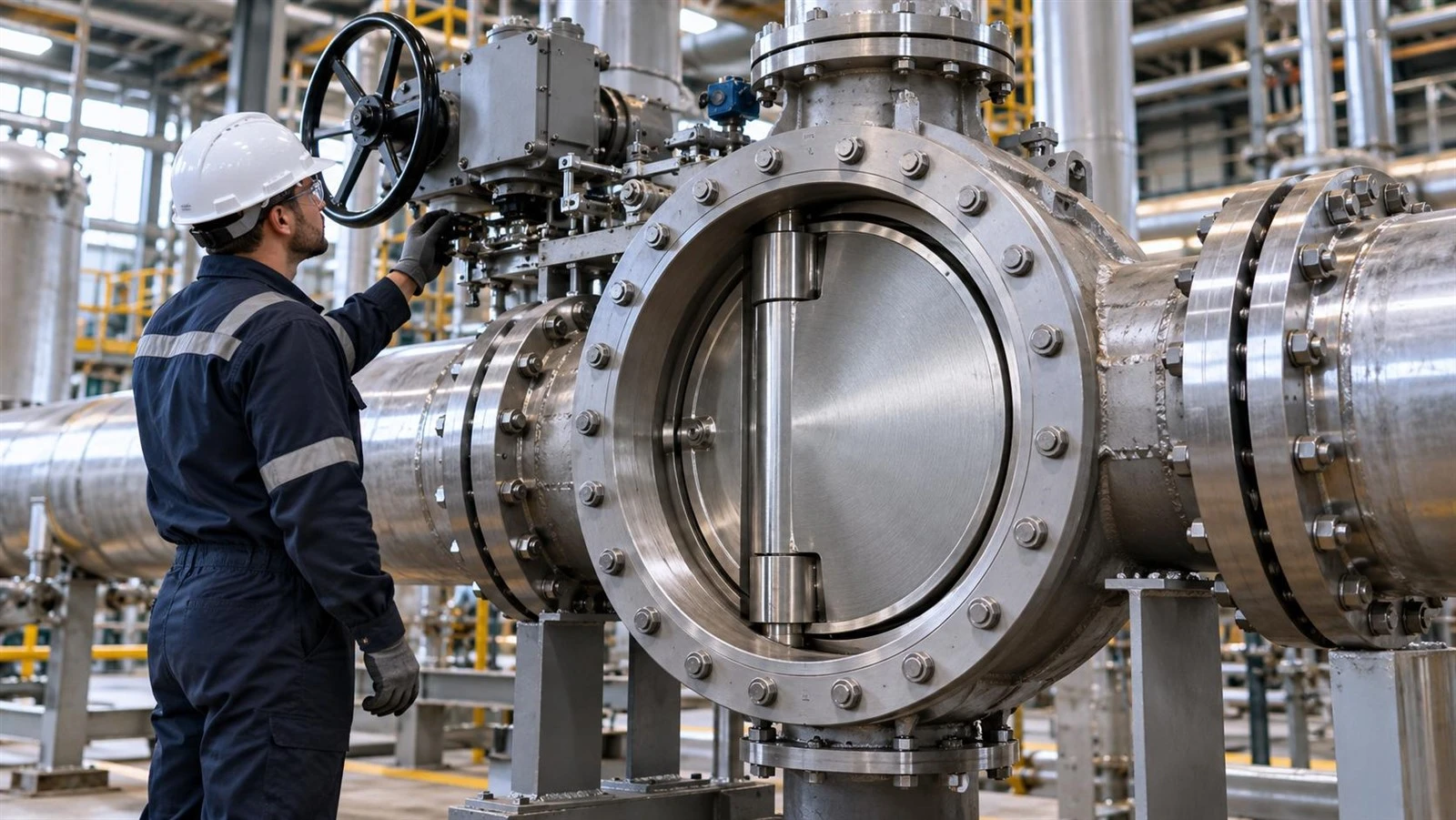
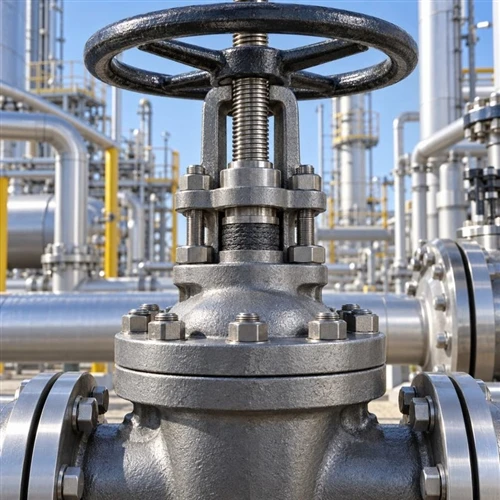
An electric actuator must do more than open and close a valve. It must deliver the required torque across the full stroke, communicate with the control system and survive the local environment. Selection based only on valve size can create slow operation, nuisance trips or premature wear. A practical electric valve actuator specification connects the valve torque curve with duty cycle, power supply, control signal and enclosure requirement. This guide explains the selection points that make that connection reliable.
Start with actual valve torque
Use breakaway, running and seating torque at the stated differential pressure and temperature. Add a sensible margin without oversizing blindly.
Match control to the process
Define on off or modulating duty, signal type, required feedback, emergency action and operating time.
Check the environment
Specify enclosure protection, ambient temperature, corrosion exposure and whether hazardous-area approval is required.
Commission as a system
Verify travel limits, torque settings, rotation direction and feedback before handover.